💨 High-Performance Compressor Fittings: The Key to Pneumatic Efficiency
In any compressed air system, the efficiency of your tools and machinery is only as good as the connectors that link them. Compressor fittings—often overlooked but technically vital—are the components responsible for maintaining pressure, preventing costly air leaks, and ensuring the safety of pneumatic operations. Whether you are running a small workshop or a large-scale industrial plant, choosing the right fitting is the difference between a high-performing system and one that drains energy and money.
Essential Types of Compressor Fittings
Compressed air systems utilize various fitting styles depending on the pressure requirements and the frequency of tool changes.
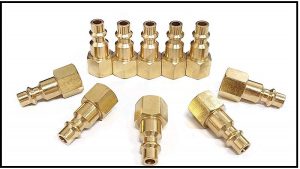
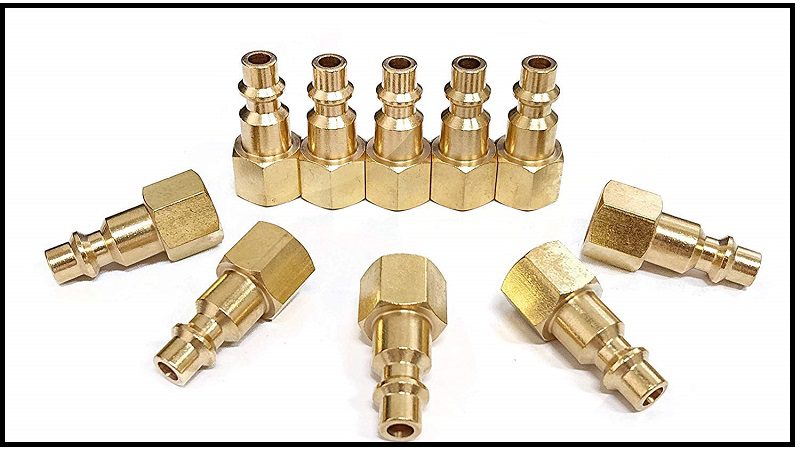
- Quick-Connect Couplers: These are the most common fittings for air tools. They allow operators to connect and disconnect lines instantly without using wrenches. Look for “Industrial Interchange” or “Universal” styles to ensure compatibility across different tool brands.
- Push-to-Connect Fittings: Widely used in automated machinery and nylon/polyurethane tubing, these allow for a secure grip by simply pushing the tube into the fitting. They are ideal for tight spaces and rapid assembly.
- Compression Fittings: Best for high-pressure or permanent installations involving copper or aluminum piping. They use a ferrule and nut to create a metal-to-metal seal that can withstand significant vibration.
- Threaded NPT/BSP Connectors: These are the standard “screwed” fittings used to attach regulators, filters, and moisture traps to the compressor tank.
Material Selection: Brass vs. Stainless Steel vs. Composite
The environment of your workspace dictates the material you should choose for your fittings:
| Material | Best For… | Key Advantage |
| Brass | Standard Workshops | Corrosion-resistant and highly durable for daily use. |
| Stainless Steel | Chemical & Food Processing | Maximum hygiene and resistance to harsh cleaning agents. |
| Composite/Plastic | Robotics & Automation | Lightweight and cost-effective for low-pressure air lines. |
| Anodized Aluminum | High-End Piping | Offers the strength of metal with a fraction of the weight. |
Why Quality Fittings Save Money
Air leaks are the “silent killers” of industrial budgets. A tiny $3\text{ mm}$ leak in a compressor fitting can cost a facility thousands of dollars in wasted electricity annually. High-quality fittings are precision-machined to ensure a perfect seal, reducing the load on your compressor motor and extending its lifespan.
Furthermore, safety is paramount. Low-grade fittings can fail under pressure, leading to “hose whip,” which poses a serious risk to operators. Investing in fittings rated for your system’s Maximum Operating Pressure (PSI) is a non-negotiable safety standard.