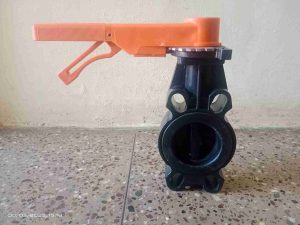

High-Performance Flow Control: The HDPE Butterfly Valve
The HDPE Butterfly Valve is a critical component in modern piping systems, offering a reliable, lightweight, and corrosion-resistant solution for flow regulation and shut-off. Made from High-Density Polyethylene (HDPE), these valves are an increasingly popular alternative to traditional metal valves, especially in demanding applications where chemical resistance and durability are paramount.
Key Advantages of HDPE
HDPE is a thermoplastic renowned for its exceptional properties. This material provides the HDPE butterfly valve with several significant advantages:
- Superior Corrosion Resistance: Unlike metal valves, HDPE is inert to a wide range of chemicals, acids, and bases. This makes the valves ideal for chemical processing, water treatment, and wastewater applications where corrosive fluids are present. This resistance minimizes maintenance and extends the valve’s service life.
- Lightweight and Easy Installation: The low density of HDPE makes these valves significantly lighter than their metal counterparts. This translates to easier handling, lower shipping costs, and simpler, faster installation with reduced labor requirements.
- Excellent Durability and Impact Resistance: HDPE exhibits high tensile strength and excellent impact resistance, meaning the valves can withstand pressure variations and physical stress without cracking or breaking.
- Long Service Life: The material’s inherent resistance to degradation from UV exposure, abrasion, and scaling ensures a long operational lifespan, providing excellent value over time.
Applications and Versatility
The versatility of the HDPE Butterfly Valve allows it to be used across various industries:
- Water and Wastewater Treatment: Its non-corrosive nature is perfect for handling treated and untreated water, sludge, and chemicals used in the purification process.
- Chemical and Industrial Piping: They are often specified for systems transporting aggressive or sensitive media that would quickly degrade metal valves.
- Mining and Landfill Leachate: The tough, chemical-resistant design holds up well in challenging environments.
- Agriculture and Irrigation: Lightweight construction and excellent sealing performance make them a great choice for large-scale agricultural systems.
Functionality and Design
A Butterfly Valve operates by rotating a disc (the “butterfly”) quarter-turn (90 degrees) within the pipe’s flow path to start, stop, or regulate flow. When closed, the disc seals against a soft seat, providing a tight shut-off. HDPE butterfly valves typically feature an HDPE body and often an HDPE-lined disc or a disc made from a compatible polymer or stainless steel for added strength, ensuring compatibility with HDPE piping systems. For reliable, long-term flow control in corrosive or demanding environments, the HDPE Butterfly Valve is a smart, cost-effective investment.