Optimizing Water and Gas Networks: The Essential Role of HDPE Fitting Air Valves 💧
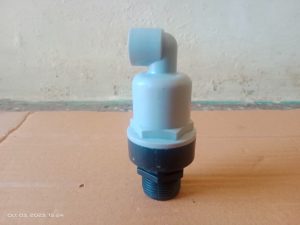
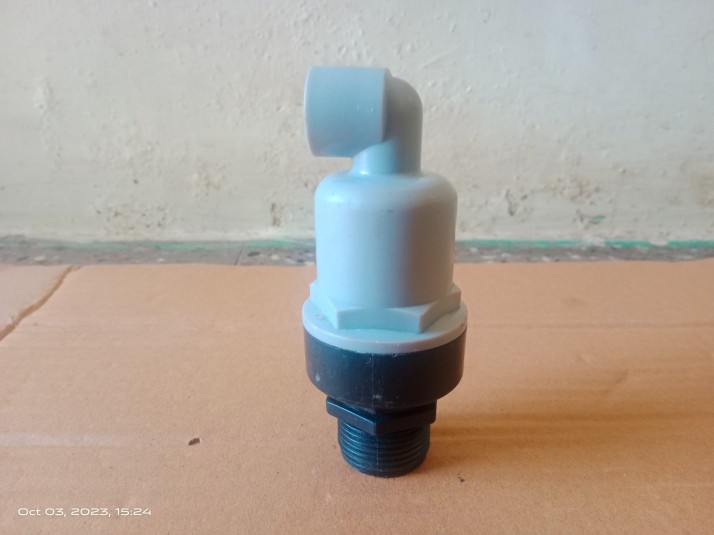
High-Density Polyethylene (HDPE) pipe systems are the modern standard for safe, reliable, and corrosion-free conveyance of water, gas, and various industrial fluids. A critical component for maintaining the efficiency and longevity of these systems is the HDPE Fitting Air Valve. This SEO-friendly content will explore the vital functions, benefits, and applications of these indispensable fittings.
Why Air Management is Crucial in HDPE Pipelines
Air naturally enters pipelines during filling, maintenance, or through the vortex action at pump suctions. If this air isn’t efficiently removed, it creates significant problems:
- Surge and Water Hammer: Trapped air pockets compress and expand, causing damaging pressure fluctuations known as water hammer.
- Reduced Flow Efficiency: Large air pockets restrict the pipe’s cross-sectional area, increasing energy costs due to higher pumping demands.
- Pipe Collapse (Vacuum): During draining or power failures, negative pressure (vacuum) can form, potentially leading to pipe deformation or collapse.
- Corrosion Acceleration: Air pockets can concentrate dissolved oxygen, accelerating the internal corrosion of metal components connected to the HDPE system.
The Dual Function of HDPE Air Valves
HDPE fitting air valves are engineered specifically to address these issues by performing two primary functions:
- Air Release: Automatically venting small, continuous amounts of air that accumulate under pressure during normal operation. This prevents air pocket formation and maintains optimal flow.
- Air/Vacuum Protection: Rapidly releasing large volumes of air when the pipe is being filled and, crucially, allowing large volumes of air to re-enter the pipe quickly when internal pressure drops (vacuum condition). This safeguards the pipeline structure from catastrophic collapse.
Advantages of HDPE Fitting Air Valves
Choosing air valves with HDPE connections offers numerous benefits, leveraging the best features of both materials:
- Corrosion Resistance: The HDPE body or connection points ensure a fully compatible, non-corroding interface with the pipeline. This is a significant advantage over traditional metal valves, especially in harsh or aggressive environments.
- Leak-Proof Joints: They are compatible with standard butt fusion or electrofusion joining techniques, creating homogeneous, monolithic, and supremely leak-tight connections that eliminate rubber seal failure points.
- Durability and Longevity: HDPE is exceptionally robust, resistant to abrasion, and capable of handling ground movement without cracking, ensuring the valve remains functional for decades.
- Wide Application Range: Essential for water distribution, sewage force mains, irrigation systems, mining, and industrial process lines.
Investing in high-quality HDPE air valves is not merely a compliance measure; it’s a strategic decision to enhance the long-term reliability, reduce operational costs, and maximize the efficiency of your pipeline infrastructure. Protect your investment today with superior air management solutions.