The global shift towards renewable energy has put solar panels at the forefront of sustainable power. While the panels themselves get most of the attention, the long-term viability of a solar farm depends heavily on its underlying infrastructure. This is where High-Density Polyethylene (HDPE) fittings and pipes play a critical, often overlooked, role. Choosing the right materials and suppliers is essential for protecting your investment and ensuring decades of reliable operation.
Why HDPE is Essential for Solar Panel Installations
Solar farms are exposed to harsh environmental conditions, from intense UV radiation and extreme temperatures to ground moisture and potential chemical exposure. HDPE is uniquely suited to handle these challenges, making it the superior choice over traditional materials like metal or PVC.
- Unmatched Durability: HDPE is incredibly tough and resistant to impact and abrasion. Unlike metal, it will not rust or corrode, which is crucial for components buried underground or exposed to the elements.
- UV and Weather Resistance: Quality HDPE pipes and fittings are manufactured with carbon black, providing excellent resistance to ultraviolet (UV) rays. This prevents the material from becoming brittle or degrading under constant sun exposure, ensuring a design life of 50 years or more.
- Leak-Proof Systems: The primary advantage of HDPE is its ability to be joined via thermal fusion (such as butt fusion or electrofusion). This process creates a monolithic, end-to-end system where the joint is as strong, or even stronger, than the pipe itself. This eliminates the risk of leaks, which is vital for protecting electrical conduits and managing water systems.
- Flexibility and Ease of Installation: HDPE is flexible, allowing it to be installed over uneven terrain without the need for excessive joints or specialized fittings. Its light weight reduces transport costs and simplifies handling on-site, speeding up the solar panel installation timeline.
Key Applications in Solar Power Systems
HDPE fittings are used in several key areas within a solar farm:
- Cable Conduits: Protecting the vast network of electrical cables from moisture, rodents, and ground shifting is paramount. HDPE conduits provide a secure, waterproof, and durable housing for these critical connections.
- Water Management: Many large-scale solar power systems use automated cleaning systems to maintain panel efficiency. HDPE pipes are ideal for transporting water to these systems.
- Drainage and Culverts: Proper site drainage is essential to prevent erosion and foundation issues. Corrugated HDPE pipes are often used for effective water management around the solar array.
Finding the Right HDPE Suppliers
Partnering with a reliable HDPE supplier is as important as choosing the material itself. When vetting potential suppliers for your solar applications, consider the following:
- Industry Experience: Look for suppliers with a proven track record in the renewable energy or large-scale utility sector.
- Quality Standards: Ensure all pipes and fittings meet or exceed industry standards, such as ASTM or ISO certifications.
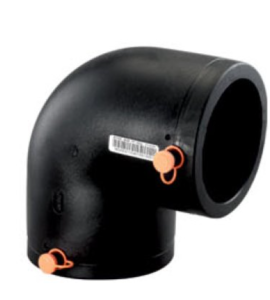
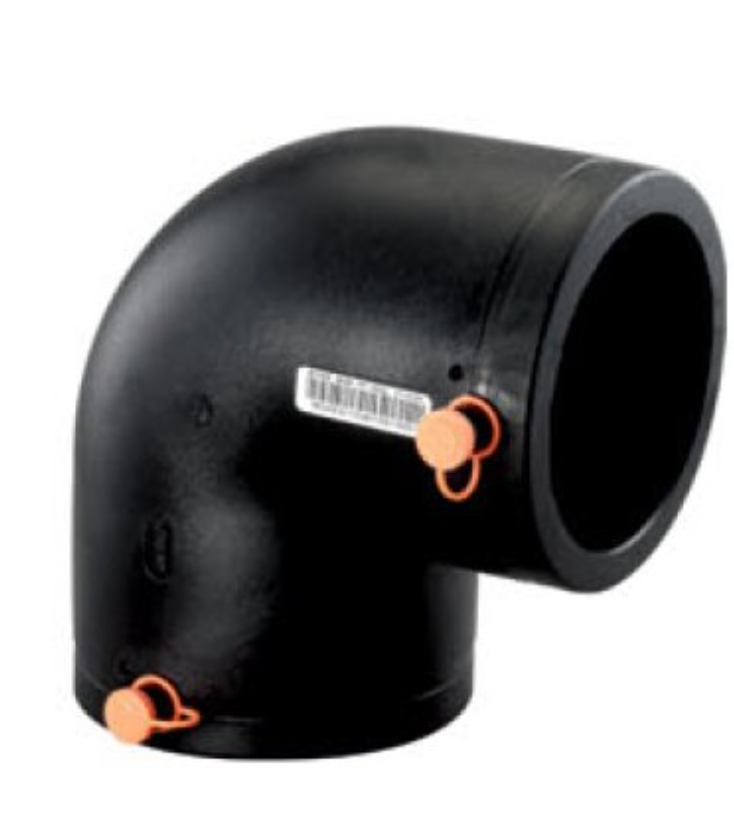
- Comprehensive Inventory: A good supplier will offer a full range of products, including various pipe diameters, reducers, elbows, tees, and the necessary fusion equipment.
- Technical Support: Valuable HDPE suppliers provide more than just parts; they offer technical expertise, installation training, and support to ensure your project is successful.
By prioritizing high-quality HDPE fittings, you ensure the backbone of your solar project is secure, low-maintenance, and built to last.