The Future of Infrastructure: Why Choose HDPE Pipe?
Title Tag Suggestion (60 characters max):
HDPE Pipe & Fittings | Polyethylene Water, Gas & Sewer Pipe
Meta Description Suggestion (160 characters max):
Discover the benefits of HDPE pipe (High-Density Polyethylene). Find leak-proof, corrosion-resistant, and flexible piping solutions for water, gas, mining, and sewer systems.
Header 1: HDPE Pipe: Defining Durability and Performance
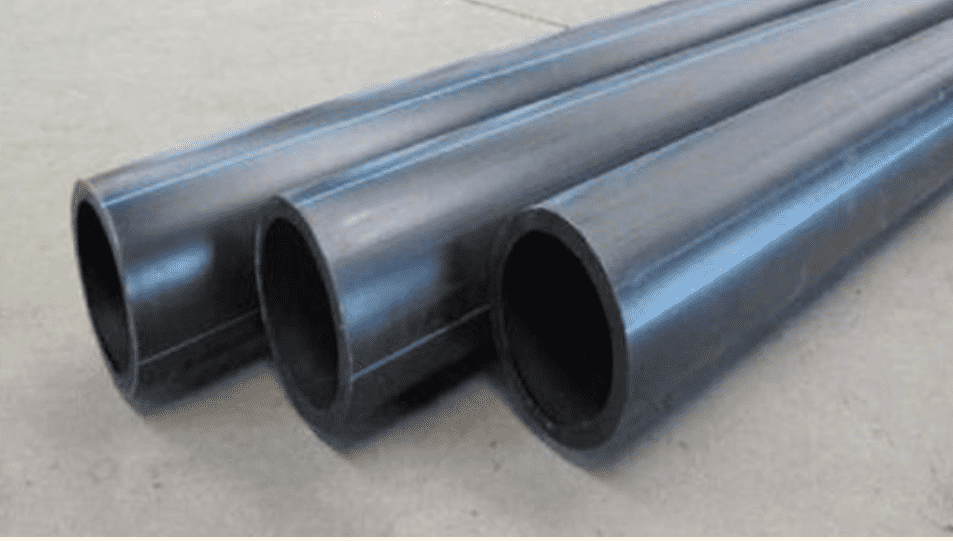
HDPE Pipe (High-Density Polyethylene Pipe) has become the material of choice for demanding piping systems globally. Replacing traditional materials like steel and concrete, HDPE offers an unmatched combination of durability, flexibility, and chemical resistance.
Made from thermoplastic material, these pipes are known for their exceptional strength-to-density ratio. Whether you’re planning a municipal water supply line, a critical gas distribution network, or a rugged mining slurry transport system, choosing HDPE pipe guarantees a reliable, long-lasting solution with an estimated lifespan of over 50 years.
Header 2: Core Advantages of High-Density Polyethylene Piping
The superior performance of HDPE is based on several key features that translate directly into lower installation and maintenance costs:
- Leak-Proof Joints: HDPE pipes are joined using heat fusion (butt fusion or electrofusion), creating a monolithic, seamless joint that is as strong as the pipe itself. This eliminates the need for mechanical gaskets and ensures a zero-leak connection, drastically reducing water loss and environmental risk.
- Corrosion and Chemical Resistance: Unlike metal pipes, HDPE does not rust, pit, or corrode when exposed to harsh chemicals, aggressive soils, or acidic fluids. This makes it ideal for wastewater and industrial applications.
- Flexibility and Fatigue Resistance: The natural flexibility of polyethylene pipe allows it to withstand ground shifts, seismic activity, and surges in pressure without breaking. It can also be coiled for easy transport and installation, reducing the need for costly fittings.
- Superior Flow Characteristics: The smooth inner wall (low Manning’s ‘n’ value) minimizes friction and scale buildup, maintaining high flow capacity over time compared to pipes prone to internal corrosion or scaling.
Header 3: Essential HDPE Pipe Specifications (PE100 & SDR)
When selecting your pipe, two main specifications are vital:
- PE Grade: Most modern, high-pressure pipes are made from PE100, which offers the highest level of strength and pressure capability compared to older PE grades.
- SDR (Standard Dimension Ratio): This ratio defines the pipe’s wall thickness relative to its diameter, directly determining its pressure rating (PN). A lower SDR (e.g., SDR 11) indicates a thicker wall and a higher pressure rating (e.g., PN16).
Header 4: Key Applications for HDPE Solutions
The versatility of HDPE pipes makes them indispensable across various infrastructure projects:
- Potable Water Supply: Providing safe, pure drinking water with non-toxic, leak-free lines.
- Natural Gas Distribution: Offering a safe, highly durable system for transporting gas.
- Sewer and Wastewater: Handling abrasive and corrosive media without structural degradation.
- Mining: Used extensively for process water, tailing lines, and slurry transport due to its abrasion resistance.
By choosing reliable HDPE pipe and fittings, you are investing in a low-maintenance system that offers long-term financial and operational benefits.