Precise Flow Management: The Essential Guide to HDPE Reducing Tee Fittings
Title Tag Suggestion (60 characters max):
HDPE Reducing Tee Fittings | PE100 Fusion Tees for Pipe Diameter Changes
Header 1: Mastering Pipeline Transitions with the HDPE Reducing Tee
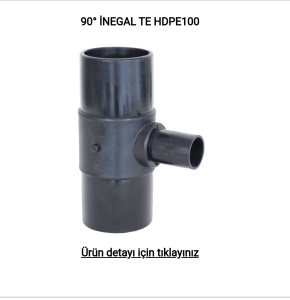
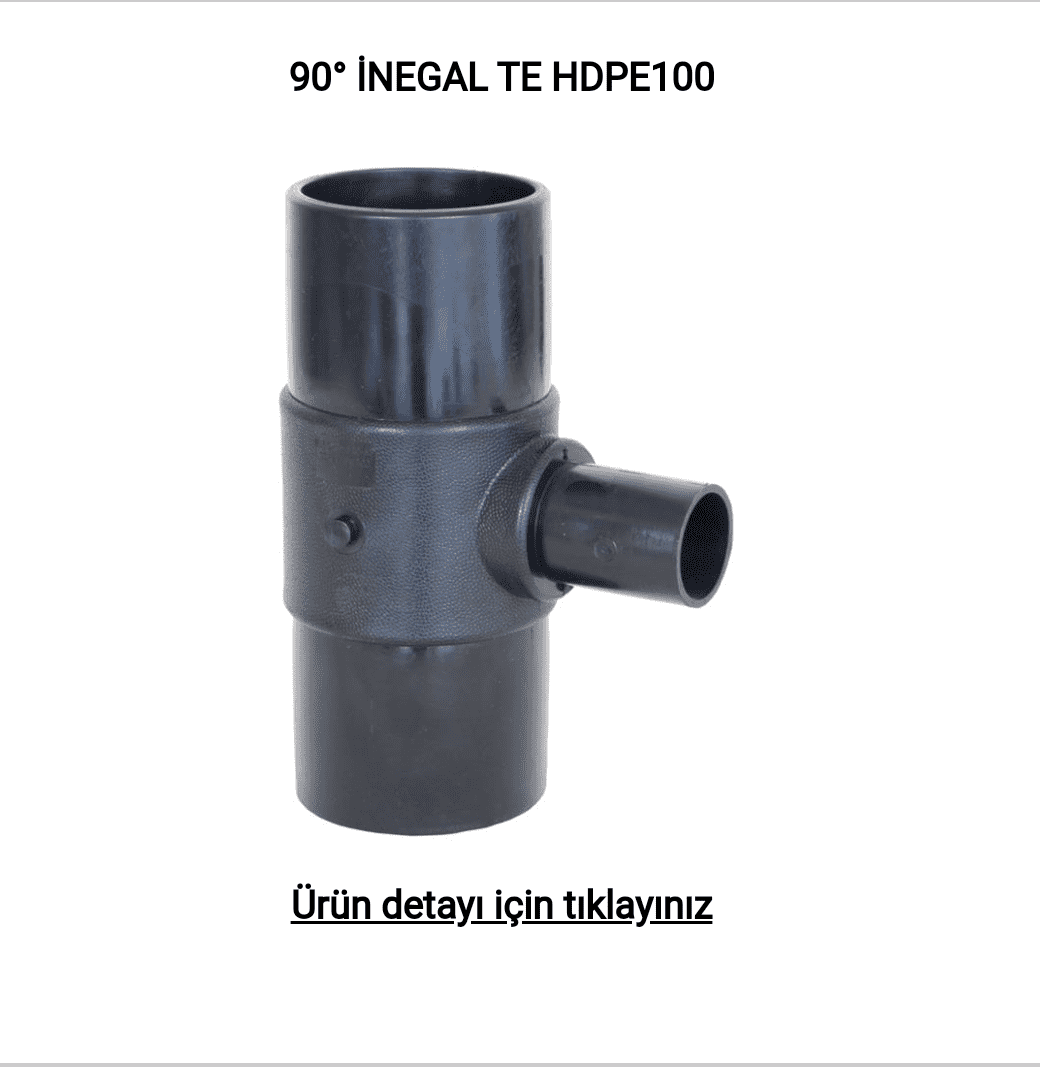
In any comprehensive piping system, the need to branch off the main line while simultaneously adjusting the diameter is common. This critical function is handled by the HDPE Reducing Tee. Unlike a standard equal tee, the reducing tee features three ports where at least one, usually the branch outlet, is smaller than the main line (run) diameter.
These fittings are indispensable in municipal water distribution, gas networks, and industrial processes where precise flow control and pressure management are vital. By selecting a high-quality, molded HDPE reducing tee made from PE100 material, you guarantee a durable, leak-proof transition that maintains the structural integrity of your entire pipeline.
Header 2: Structural Integrity Through Molded Excellence
For high-pressure applications, the design and manufacturing method of the fitting are paramount. Our HDPE Reducing Tee fittings are manufactured using the injection molding process, which offers significant benefits over fabricated alternatives:
- Seamless Construction: The molded process eliminates internal seams and stress points, ensuring the fitting is structurally homogeneous and capable of withstanding the full specified pressure rating (PN or SDR) without the need for deration.
- Consistent Wall Thickness: Uniform material density across all three ports guarantees reliability, particularly at the connection points where the diameter transitions.
- Optimal Hydraulics: The smooth inner bore allows for efficient fluid flow into the branch line, minimizing turbulence and pressure loss across the reduction point.
Header 3: Fusion Technology for Zero-Leak Connections
The primary benefit of using polyethylene reducing tees is the ability to create permanently bonded, leak-proof joints through heat fusion.
- Butt Fusion: Used for connecting large-diameter tees, the process welds the ends of the tee and the pipe, creating a joint as strong as the parent material.
- Electrofusion (EF) Fittings: Ideal for gas and critical water lines, EF reducing tees contain embedded heating elements that fuse the fitting to the pipe, offering exceptional joint security and reliability.
By using these fusion methods, the resulting joint is completely resistant to end-loading and external forces, which is essential for underground infrastructure subjected to ground movement and settlement.
Header 4: Key Applications for HDPE Reducing Tee
From public utilities to specialized industrial sites, the HDPE Reducing Tee is the perfect solution for:
- Municipal Water Distribution: Tapping a smaller service line off a large water main.
- Natural Gas Networks: Ensuring controlled, safe branching from the main feeder line.
- Industrial Cooling Systems: Precise control over flow rate entering specialized equipment.
- Irrigation Systems: Creating efficient, durable transitions between main distribution pipes and smaller field lines.
When specifying a reducing tee, always confirm the diameter of the run ends and the exact required diameter of the branch outlet to ensure a perfectly matched, high-performance connection.